
A Smarter Approach to Documentation
A better understanding of how everyday records can become operational tools rather than simply administrative requirements.
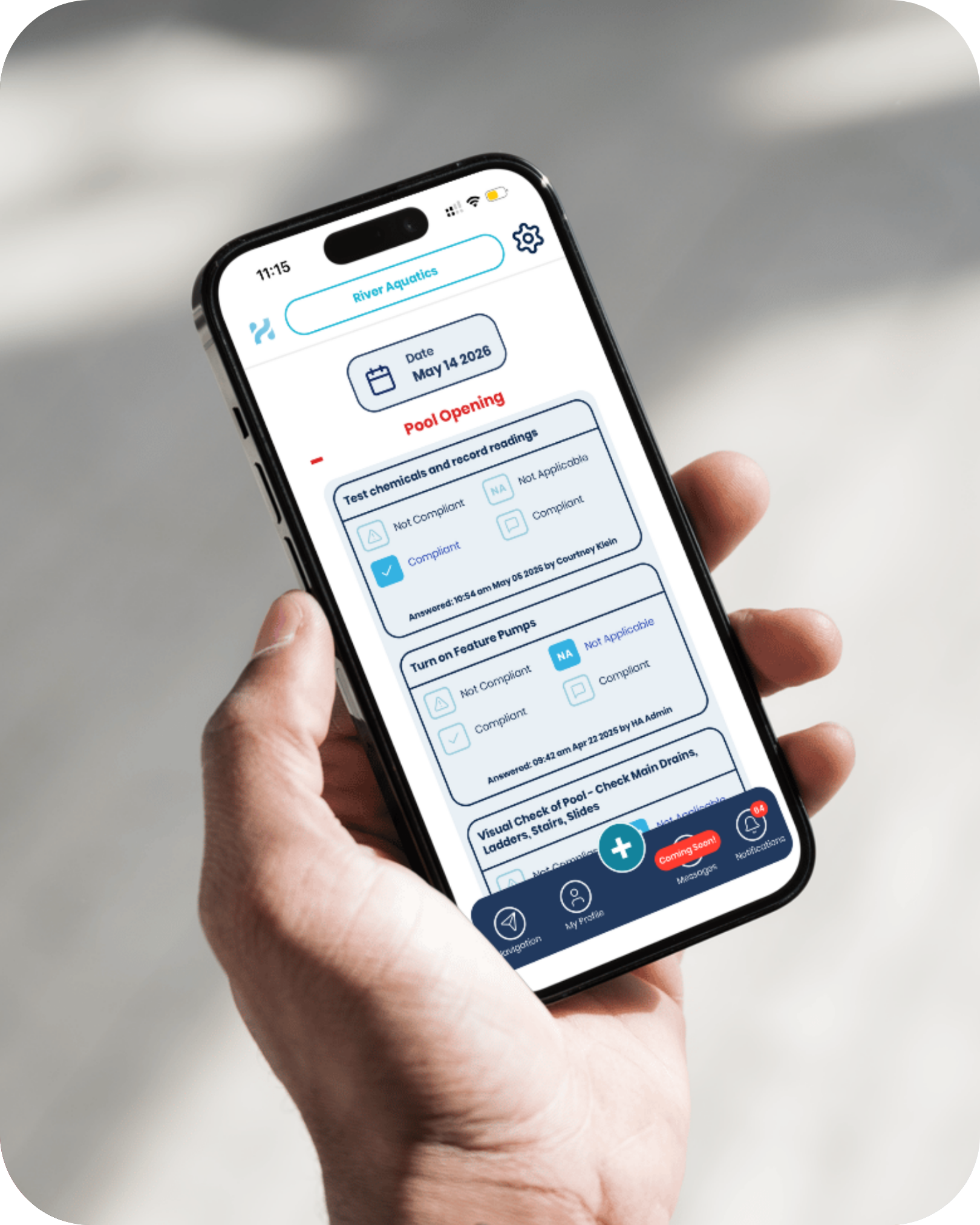
Join aquatic operations expert Marty Mulgrew as he explores how audits, inspections, incident reports, maintenance records, and other everyday documentation can become valuable tools for identifying trends, strengthening accountability, reducing risk, and making better operational decisions.
Inspections. Pool tests. Incident reports. Staff audits. Maintenance records. Checklists.
But the real value of documentation isn't simply proving that a task was completed. When records are consistent, accessible, and reviewed over time, they can help leaders understand what's happening across their operation and where attention may be needed.
Good documentation doesn't just record the past. It can help you make better decisions about what happens next.

When documentation is treated primarily as an administrative requirement, valuable information can easily get overlooked:
Your team is already collecting information. The opportunity is learning how to use it.
This webinar explores how aquatic leaders can transform everyday records into meaningful operational intelligence. You'll learn practical ways to create more consistent documentation, recognize patterns, improve accountability, and use the information your team is already collecting to support safer, stronger operations.
A better understanding of how everyday records can become operational tools rather than simply administrative requirements.
Ideas for connecting information across inspections, incidents, audits, maintenance records, and other documentation to identify recurring patterns.
Strategies for creating clearer follow-through when documentation identifies an issue, concern, or opportunity for improvement.
A framework for using operational records to guide priorities, staff coaching, training, risk management, and resource decisions.
Free registration • Live Q&A • Replay emailed to registrants
.png?width=1755&height=2194&name=Marty%20Webinar%20(1).png)
Marty Mulgrew is a former Aquatics Superintendent at The Woodlands, TX who now leads the tech side of HydroApps bringing years of on the deck training with a passion for tech-driven efficienct in aquatics.
Join aquatic professionals from across the industry for this free live webinar.
Documentation should do more than fill binders or satisfy inspections. When used effectively, it can help aquatic leaders identify trends, strengthen accountability, support staff, and make better operational decisions.
In this session, participants will explore how to transform everyday documentation, from audits and inspections to incident reports and maintenance records, into meaningful operational intelligence. Attendees will examine how consistent, purposeful documentation can provide greater visibility into operations and help teams move from simply recording what happened to understanding what those records can tell them.
By the end of this session, participants will be able to:
Designed for aquatic directors, facility managers, supervisors, operators, and other leaders responsible for safety, staff performance, documentation, compliance, or day-to-day aquatic operations. This session is especially valuable for teams looking to get more value from the information they're already collecting.
Documentation creates a record of what is happening across an aquatic operation, from inspections and chemical testing to incidents, maintenance, and staff performance. Consistent records can help leaders improve accountability, identify recurring issues, support risk management, and make more informed operational decisions.
Aquatic leaders can look for trends across pool tests, facility inspections, incident and accident reports, staff audits, maintenance records, checklists, training records, and other routine operational documentation. Reviewing information across multiple areas can provide a more complete picture of facility operations.
Consistent documentation can help leaders identify recurring issues, incomplete follow-through, changes in staff practices, maintenance concerns, and other patterns before they contribute to larger problems. It also creates greater accountability around when tasks were completed, what was observed, and what action was taken.
Facilities can improve documentation by establishing clear expectations, using consistent processes, making records easy for staff to complete, regularly reviewing documentation, and creating clear procedures for following up when an issue is identified.
Operational records can reveal areas where additional coaching or training may be needed. Patterns in staff audits, incidents, inspections, or incomplete procedures can help leaders make training more targeted to the actual needs of their team.
The Documentation Advantage: Smarter Records for Safer Aquatics is designed for aquatic directors, facility managers, supervisors, operators, and other professionals responsible for aquatic safety, documentation, staff performance, compliance, risk management, or facility operations.